Playing for Time on the Edge of the Apocalypse: Maximizing Decision Time for Nuclear Leaders
Dr. Christopher Ford • November 11, 2010
This paper explores debates over nuclear weapons "de-alerting" and other challenges. It is also available here, from Hudson Institute.
Paper Presented to the Conference on “Nuclear Deterrence: Its Past and Future”
Hoover Institution
(November 11, 2010)
Synopsis
This paper surveys post-Cold War disputes over the “de-alerting” of nuclear weapons, outlining critiques made of the launch-on-warning capabilities – and what are alleged to be the de facto launch-on-warning policies – of the United States and Russia, as well as the deterrence-focused counter-narrative that has developed in response to these arguments. It offers an analysis of such debates as an expression of a dynamic tension within nuclear command and control systems between “Type A” risks of nuclear use (advertence) and “Type B” risks of nuclear accidents (inadvertence) – a tension that can be further understood with reference to theories of organizational behavior informed by Complexity Theory insights into the “fitness” of complex adaptive systems.
Exploring the potential Type A and Type B implications of various proposed measures for reducing nuclear risks, the author suggests that the policy stalemate created by the need for tradeoffs between deterrent value and accident risk- reduction can perhaps be broken by focusing less upon de-alerting per se and more upon the challenge of maximizing the effective decision-time available to national leaders in a nuclear crisis – a broader discourse of which de-alerting debates are merely a subset.

The year 2025 is ageing fast, and the end of the year is now just around the corner. So here’s a compilation of my public work product from the year. As you can see from the list of 10 papers or articles and 26 presentations below, it’s been a busy one. Keep checking New Paradigms Forum for new material as we move into 2026. And Happy New Year, everyone!
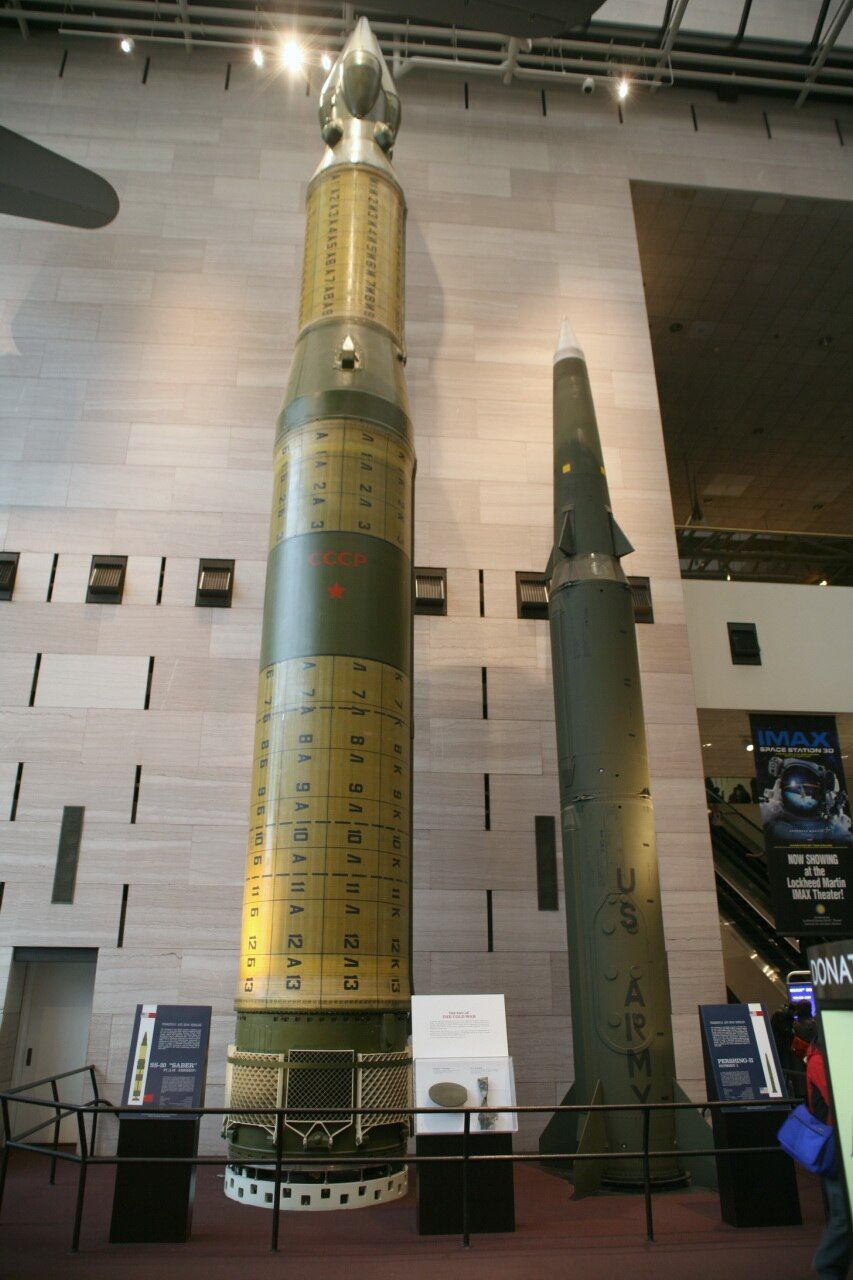
Below is the text of the prepared text upon which Dr. Ford based his remarks to a reunion at DACOR Bacon House , in Washington, D.C., of former U.S. Government officials involved with negotiating and implementing the Intermediate-Range Nuclear Forces Treaty of 1987.
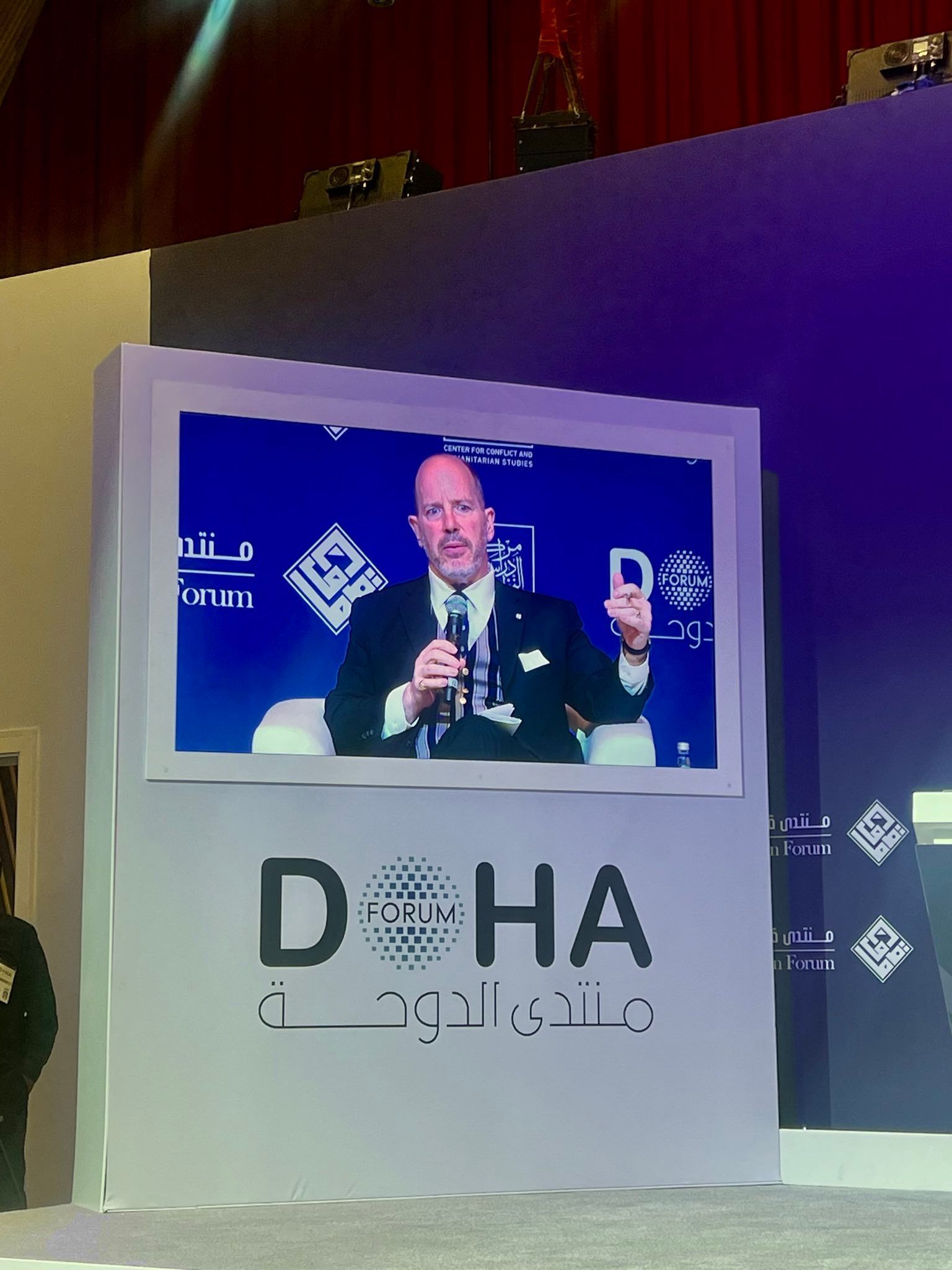
Below is the prepared text upon which Dr. Ford based his shorter oral remarks on December 7, 2025, at the Doha Forum, on a panel on “Mediating in an Era of Nuclear Risks and Superpower Rivalry” organized by the Qatar Mediation Forum. Dr. Ford was joined on the panel by Dmitri Suslov and Wu Chunsi, and the discussion was moderated by Ambassador Karim Haggag, director of the Stockholm Peace Research Institute.

Below is the prepared text upon which Dr. Ford based his shorter oral remarks to the U.S-China Nuclear Workshop on November 19, 2025, convened by the Protect on Managing the Atom and the Council on Strategic Risks, held at the Belfer Center at Harvard University’s John F. Kennedy School of Government.
Below is the prepared text upon which Dr. Ford based his (much) shorter remarks on a panel on geopolitical risk on November 18, 2025, sponsored by Forward Global and the Oxford University Alumni Network.

Below is the text upon which Dr. Ford based his remarks at a conference in China on November 8, 2025.

Below is the text upon which Dr. Ford based his remarks to the Labs Nuclear Scholars Initiative at CSIS on October 20, 2025.
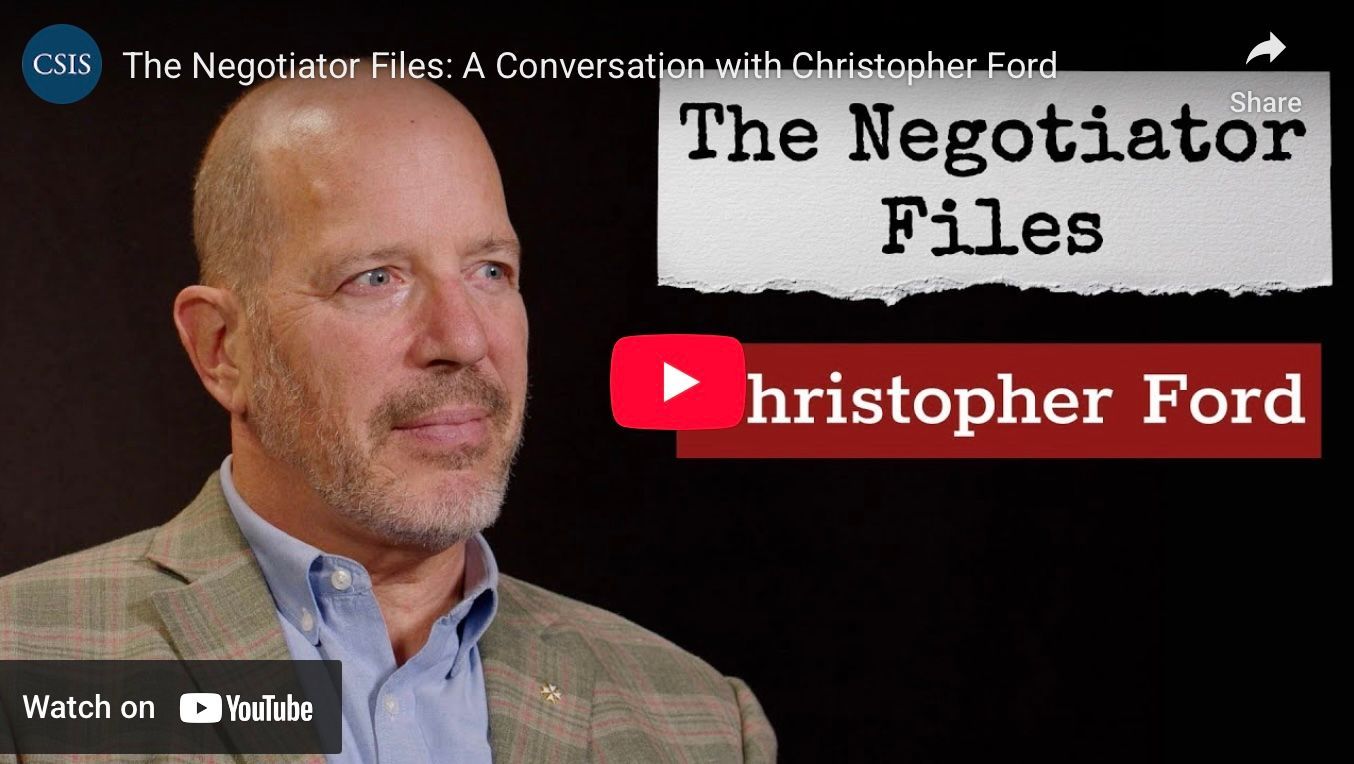
In October 2025, the Next Generation Nuclear Network at the Center for Strategic and International Studies released a long recorded interview with Dr. Ford as part of its Arms Control oral history project entitled “The Negotiator Files.” You can find Dr. Ford's interview here .

Below is the prepared text upon which Dr. Ford based his remarks at an event at Hudson Institute on October 2, 2025, on the U.S. Institute of Peace Senior Study Group on Strategic Stability’s recent report on “ Sustaining the Nuclear Peace .”

Below is the prepared text upon which Dr. Ford based his remarks at a briefing for Congressional staffers on September 30, 2025, organized by the University of Pennsylvania’s Washington Cente r and the Wilson Center .