Nuclear Weapons Reconstitution and its Discontents: Challenges of "Weaponless Deterrence"
Dr. Christopher Ford • November 1, 2010
A look at the merits (and demerits) of "virtual" nuclear deterrence that relies upon productive or reconstitutive capacity. It is also available here, from Hudson Institute.
Submitted to the Conference on “Nuclear Deterrence: Its Past and Future”
Hoover Institution
(November 11-12, 2010)
Synopsis
Countervailing reconstitution (CR) – also known as “weaponless deterrence” or “virtual nuclear arsenals” – is a concept with roots going back to the beginning of the nuclear age, but which became a part of modern disarmament debates with Jonathan Schell’s book The Abolition in 1984. This paper explores a range of issues raised by CR’s central insight of trying to find a way to take advantage of nuclear deterrent dynamics in order to help provide stability against “breakout” from a regime abolishing nuclear weapons.
The study begins by discussing and evaluating a range of crisis stability critiques made against reconstitution theory by Herman Kahn, Thomas Schelling, Kenneth Waltz, and others, explains the analytical and practical connections between reconstitution theory and current debates over nuclear force “de-alerting,” and surveys a range of issues and concerns raised by this specific application of nuclear deterrence. Among the matters discussed are: challenges of crisis stability and reconstitution “racing”; incentives for weapon design and reconstitutive technology development; the impact of missile defense and other defensive systems; “wildfire proliferation”; and problems of CR survivability. These questions are examined in particular with respect to what is termed herein a possible “Tier One” reconstitution policy – that is, the maintenance of a CR capability after the point of weapons abolition, as a matter of deliberate policy, and with deterrent and strategic “hedging” purposes in mind, rather than simply as a byproduct “option” resulting from the possession of dual-use nuclear technology.
The next part of this study examines some of the various practical and programmatic challenges that might arise if a major industrial and nuclear- knowledgeable power (e.g., the United States) tried to implement a thoroughgoing “Tier One” CR policy as a post-abolition nuclear security strategy. Drawing in part upon the post-Cold War experiences of the U.S. nuclear weapons complex, it explores the many challenges of such an approach, including: uncertainties in sizing a reconstituted nuclear arsenal and its associated infrastructure based upon post-“zero” concepts of potential nuclear use and considerations of redundancy and survivability; issues of re-learning, human capital management, and knowledge retention; verification problems; delivery system retention; and the challenge resisting program atrophy over time.
The study concludes by suggesting that despite the many challenges suggested by these excursions into reconstitution theory and programmatics, CR seems nonetheless to be securing for itself an enduring role at least as tool for facilitating some additional weapons reductions. Even were “Tier One” CR deemed to be unmanageably problematic through the prism of “nuclear zero,” therefore – or were “zero” itself deemed too unworkable for a deterrence-based theory such as CR to salvage it – the basic idea of substituting potential weapons for “weapons-in-being” remains a valuable one.
The March-April 2026 edition of the Foreign Service Journal published Dr. Ford's article entitled "Negotiating Nuclear Security: A View from the First Trump Administration." You can find the article online by clicking here .
Dr. Ford's article entitled " Marxing America Great Again: Marxist Discourse in Right-Wing Populism and the Future of Geopolitics " was published in Defense & Strategic Studies Online (DASSO), vol. 2, no. 2 (Winter 2026). You can find the whole issue on the DASSO website here , or use the button below to download a PDF of Dr. Ford's piece. (Also, the home page for DASSO can be found here .)

Below is an lightly edited version of the prepared text upon which Dr. Ford based his remarks on February 4, 2026, at the conference on "Regional Security and Weapons of Mass Destruction in the Middle East" sponsored by the United Nations Institute for Disarmament Research (UNIDIR) in Prague, Czech Republic.

The year 2025 is ageing fast, and the end of the year is now just around the corner. So here’s a compilation of my public work product from the year. As you can see from the list of 10 papers or articles and 26 presentations below, it’s been a busy one. Keep checking New Paradigms Forum for new material as we move into 2026. And Happy New Year, everyone!
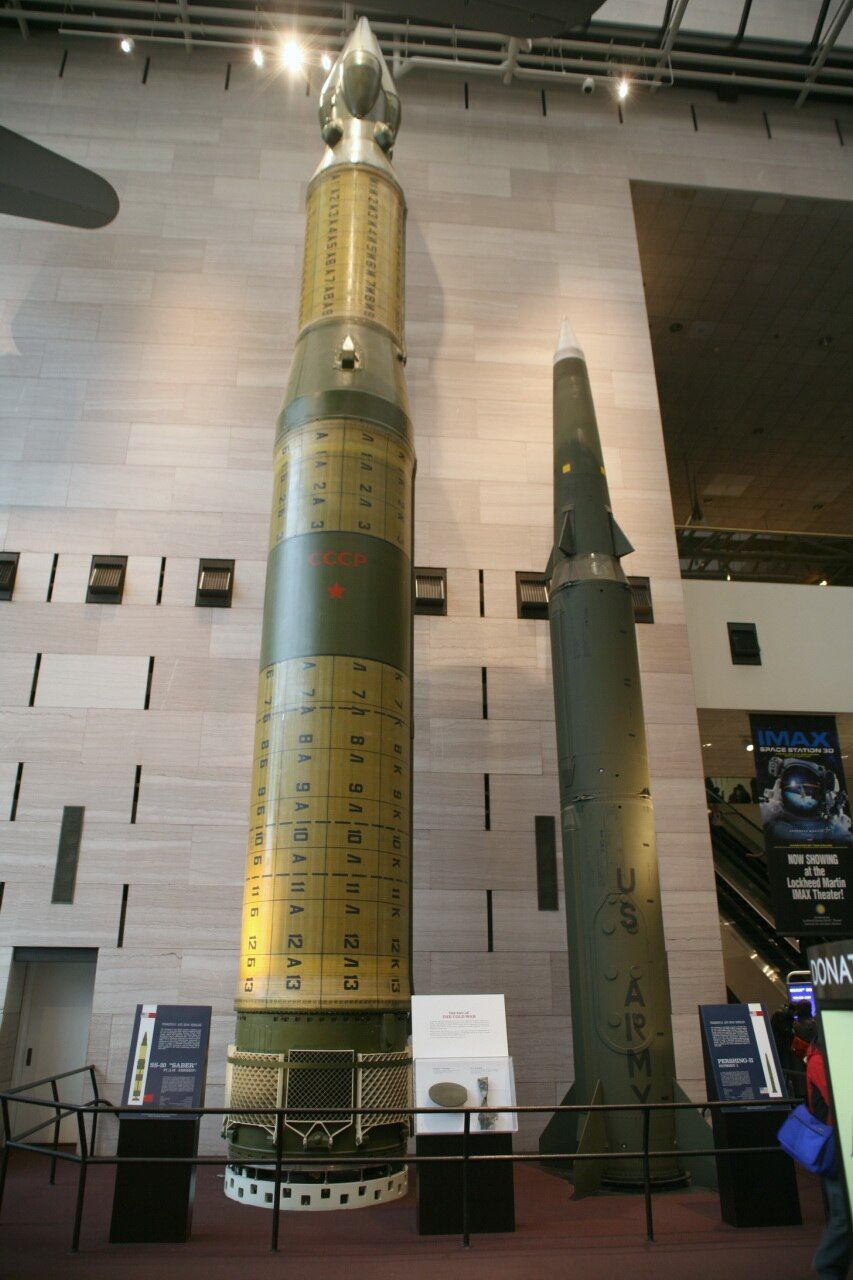
Below is the text of the prepared text upon which Dr. Ford based his remarks to a reunion at DACOR Bacon House , in Washington, D.C., of former U.S. Government officials involved with negotiating and implementing the Intermediate-Range Nuclear Forces Treaty of 1987.
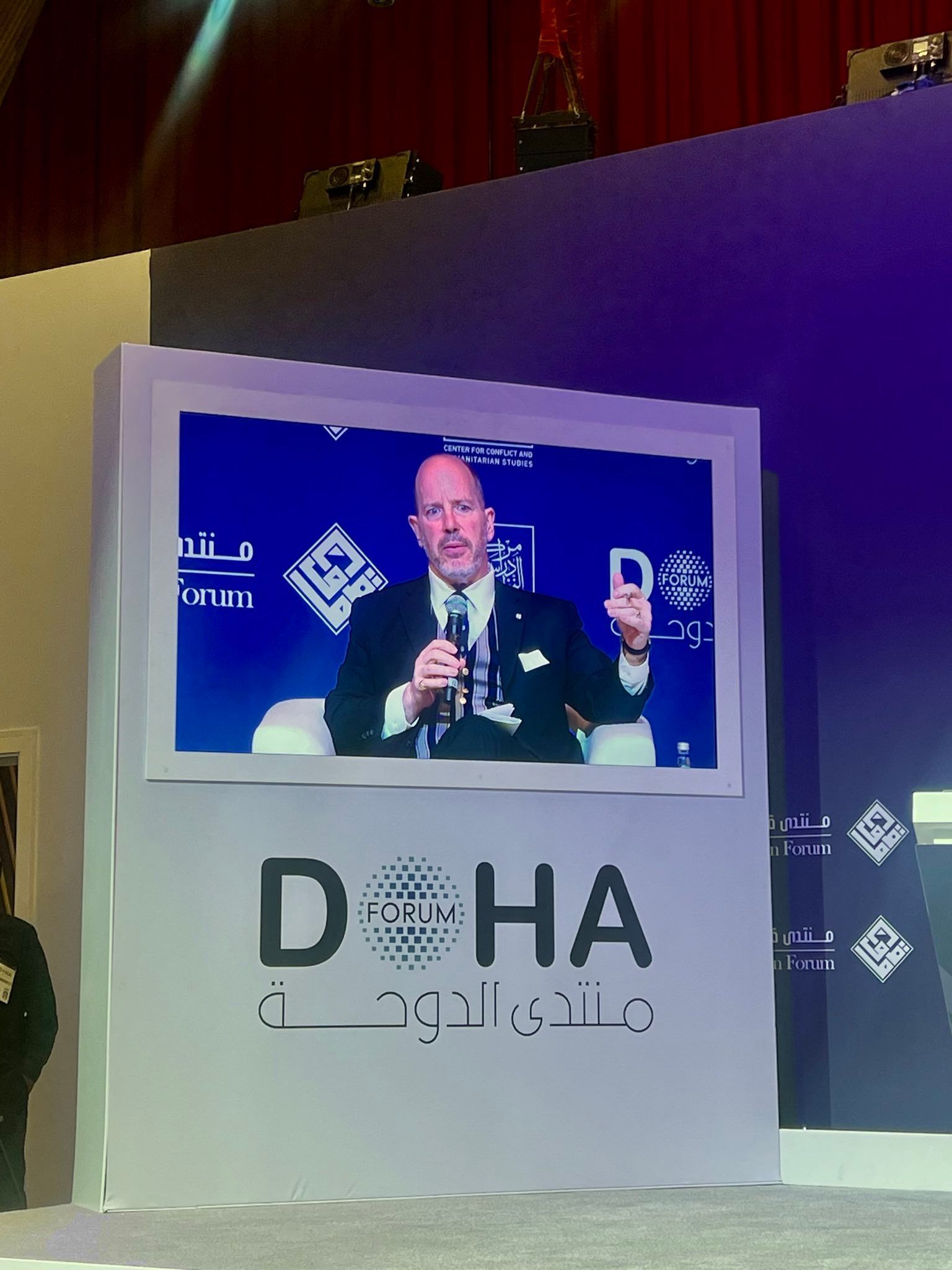
Below is the prepared text upon which Dr. Ford based his shorter oral remarks on December 7, 2025, at the Doha Forum, on a panel on “Mediating in an Era of Nuclear Risks and Superpower Rivalry” organized by the Qatar Mediation Forum. Dr. Ford was joined on the panel by Dmitri Suslov and Wu Chunsi, and the discussion was moderated by Ambassador Karim Haggag, director of the Stockholm Peace Research Institute.

Below is the prepared text upon which Dr. Ford based his shorter oral remarks to the U.S-China Nuclear Workshop on November 19, 2025, convened by the Protect on Managing the Atom and the Council on Strategic Risks, held at the Belfer Center at Harvard University’s John F. Kennedy School of Government.
Below is the prepared text upon which Dr. Ford based his (much) shorter remarks on a panel on geopolitical risk on November 18, 2025, sponsored by Forward Global and the Oxford University Alumni Network.

Below is the text upon which Dr. Ford based his remarks at a conference in China on November 8, 2025.

Below is the text upon which Dr. Ford based his remarks to the Labs Nuclear Scholars Initiative at CSIS on October 20, 2025.